 Emir Bardakçı
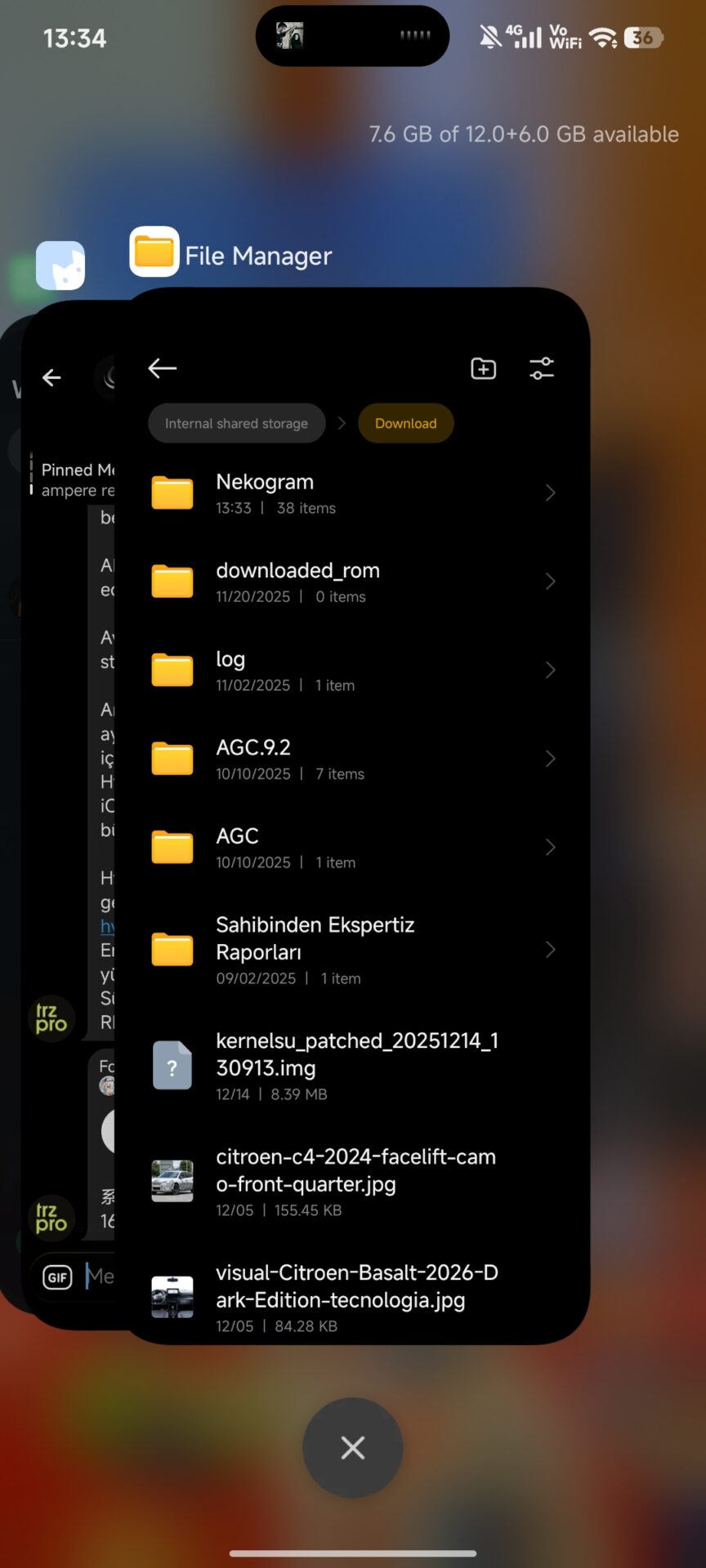
Xiaomi has finally released the first beta version of its highly anticipated iOS-style card stack design for the recently used apps quick switcher, an update that introduces significant changes to the HyperOS user interface. This new recent apps navigation system, publicly announced after an online user survey in 2023 , is now available for both HyperOS 2 and HyperOS 3 users.
The recent apps menu, similar to iOS’s, is now available in HyperOS
This new recent apps user interface features a vertically stacked card layout similar to iOS, instead of the flat or grid-based layout of the traditional design. Before accessing this new UI design, you must enable it in Settings > Recent Apps , where you can switch between different styles within this new UI design.
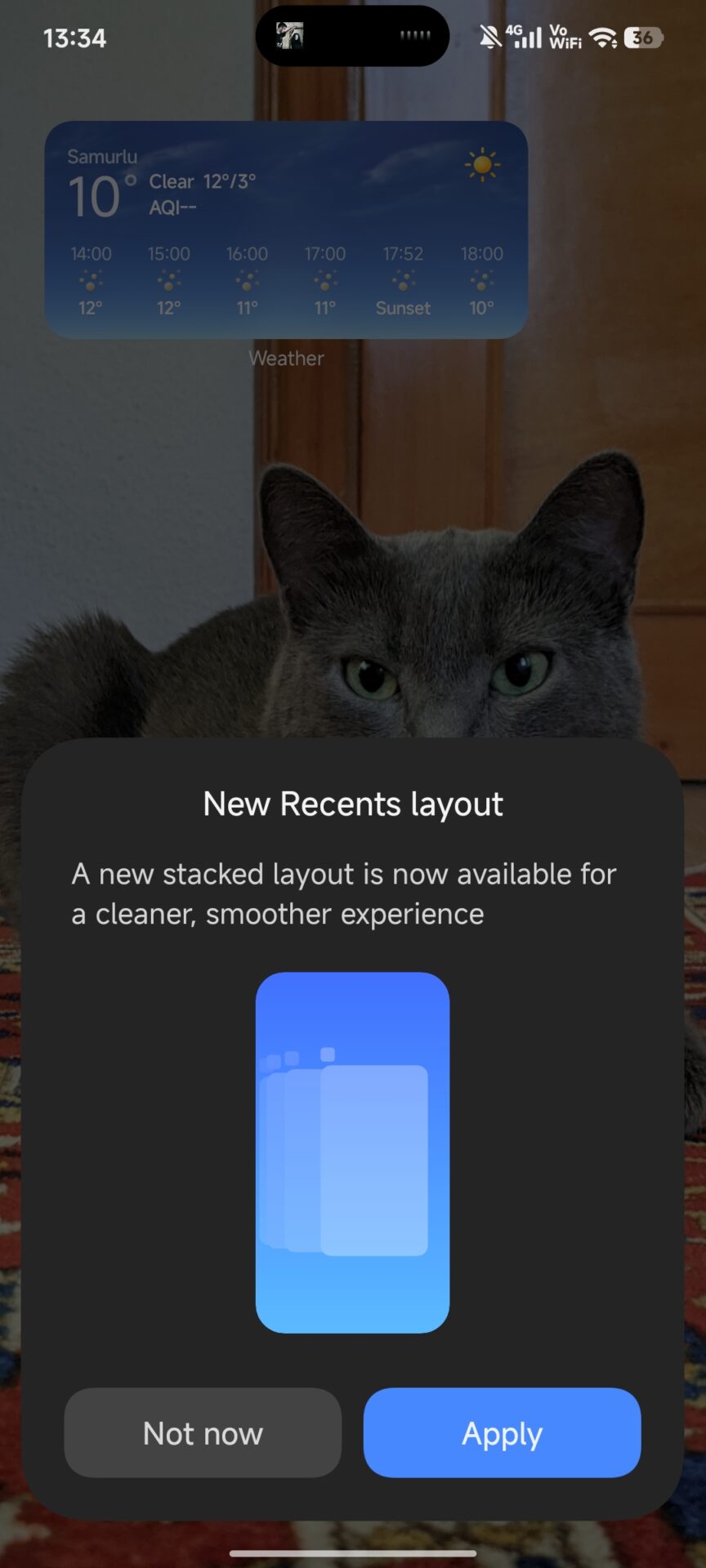
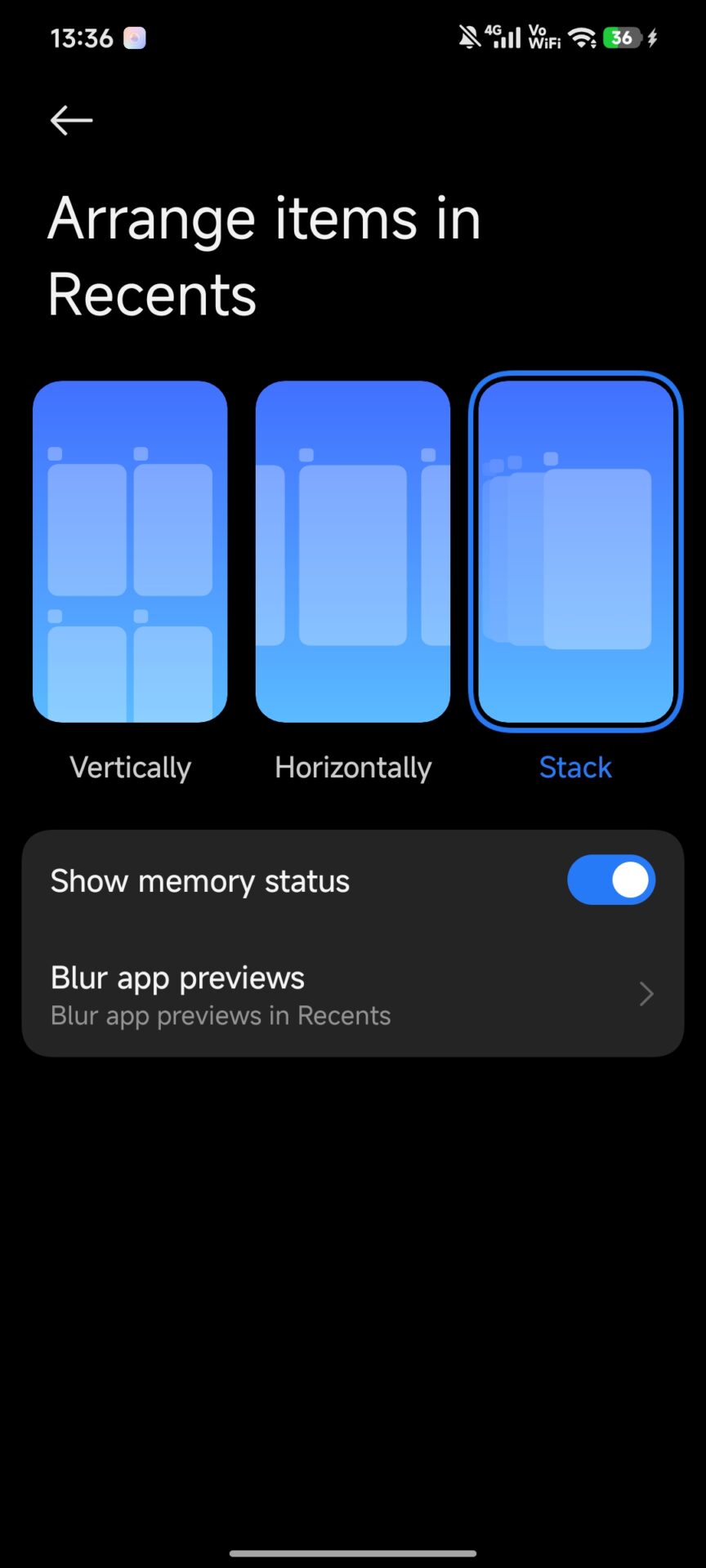
This new design was created by Xiaomi to be optional for aesthetic purposes, while maintaining compatibility with different layouts to suit various users and device capabilities. This new design allows for customization of the home screen folder, thus offering flexibility in adjusting its appearance.
From a design perspective, the animation system is almost an exact replica of the one found in iOS. When you swipe through recent apps, the cards fade in response to the blur effect, giving the animation process a smooth finish. The animation looks even more elegant with the HyperOS 3 UI.
Tested compatibility and version details
The APK has been tested on HyperOS 2 and HyperOS 3, and stable results have been achieved on several devices. It should be noted that Xiaomi plans to gather more extensive feedback during the beta phase itself.
- The app works on HyperOS 2, but there’s no new design for recent apps.
- It works perfectly on HyperOS 3
The current version is RELEASE-6.01.03.1924-12162233, so development work is ongoing. Furthermore, there are no performance issues, and no system-level conflicts are observed, even when running on mid-range systems.
Large-scale release likely in HyperOS 3.1
Following Xiaomi’s normal update cycle, the iOS-style Recent Apps menu should debut with HyperOS 3.1, which could be available on most compatible devices. This aligns with Xiaomi’s recent emphasis on UI consistency and developing user-suggested features.
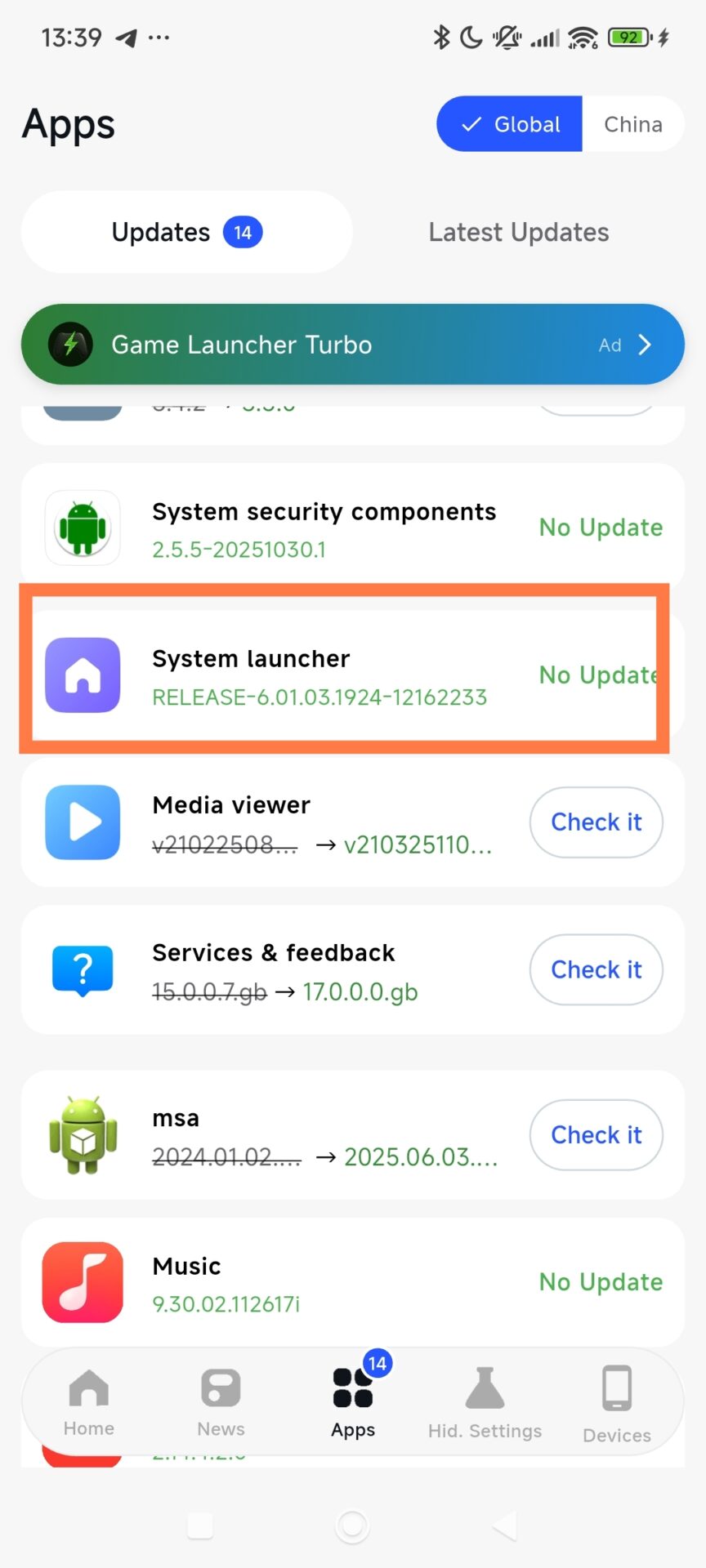
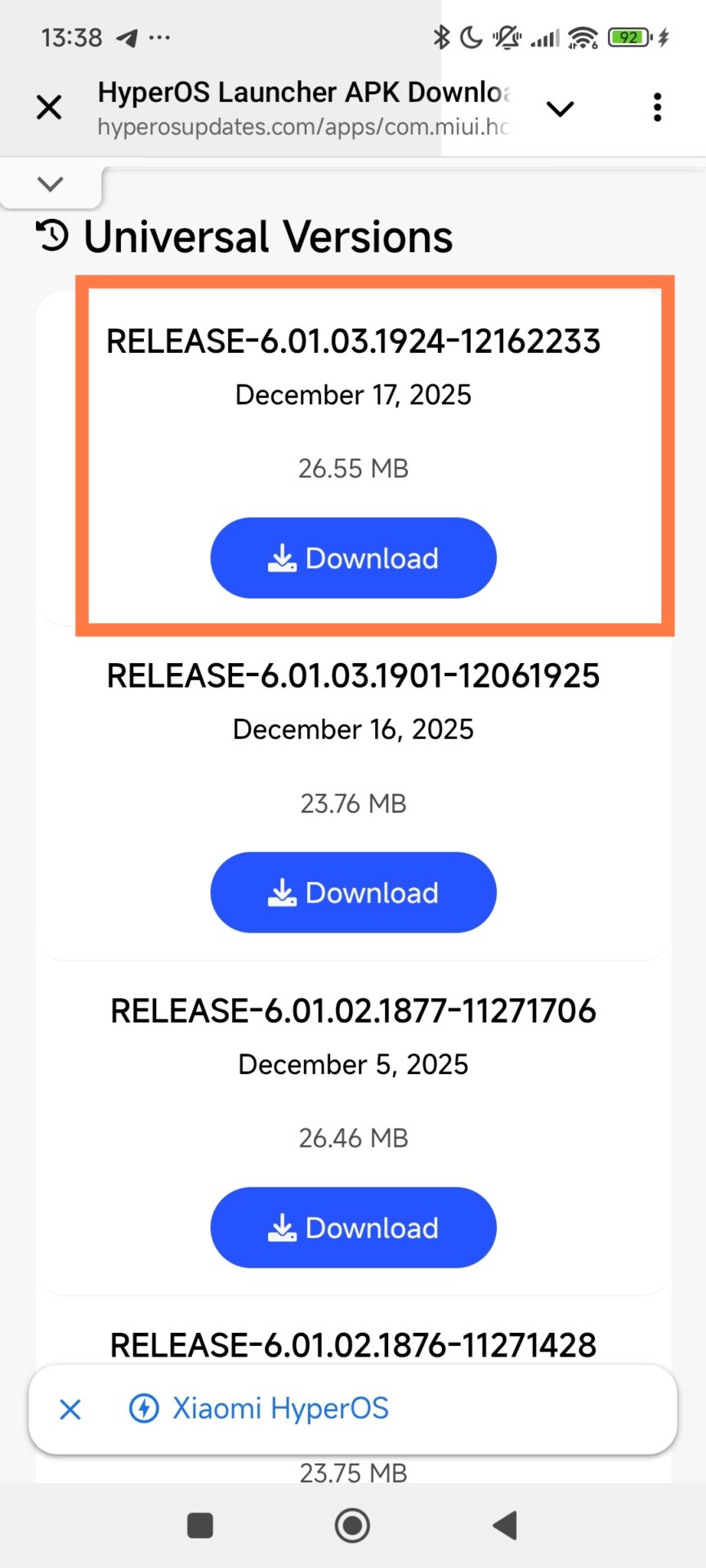
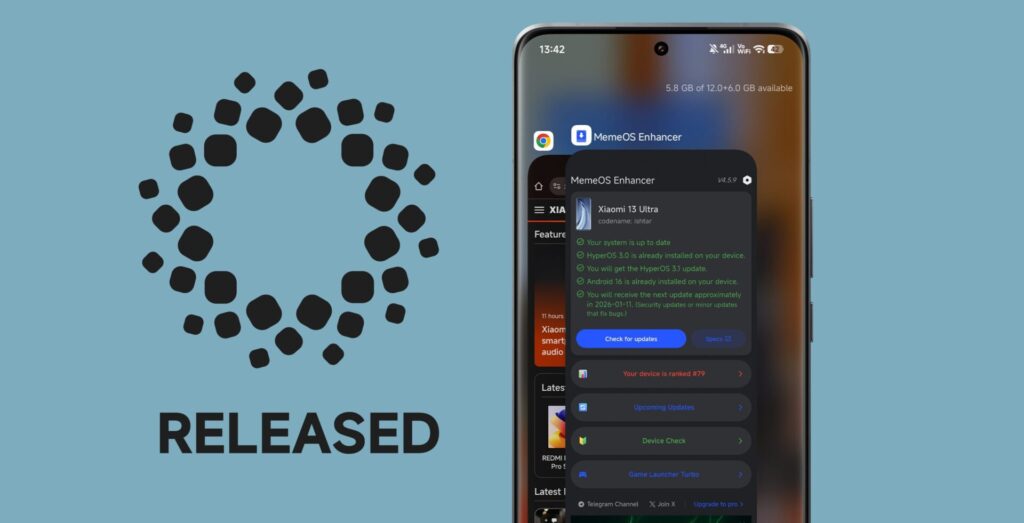
Users interested in early access can download and install it via HyperOSUpdates.com or through an app called MemeOS Enhancer from Google Play. MemeOS Enhancer is more than just an app update service; it also includes hidden features on Xiaomi devices, updates system apps, and controls app updates directly on the screen for an enhanced HyperOS experience.