 Emir Bardakçı
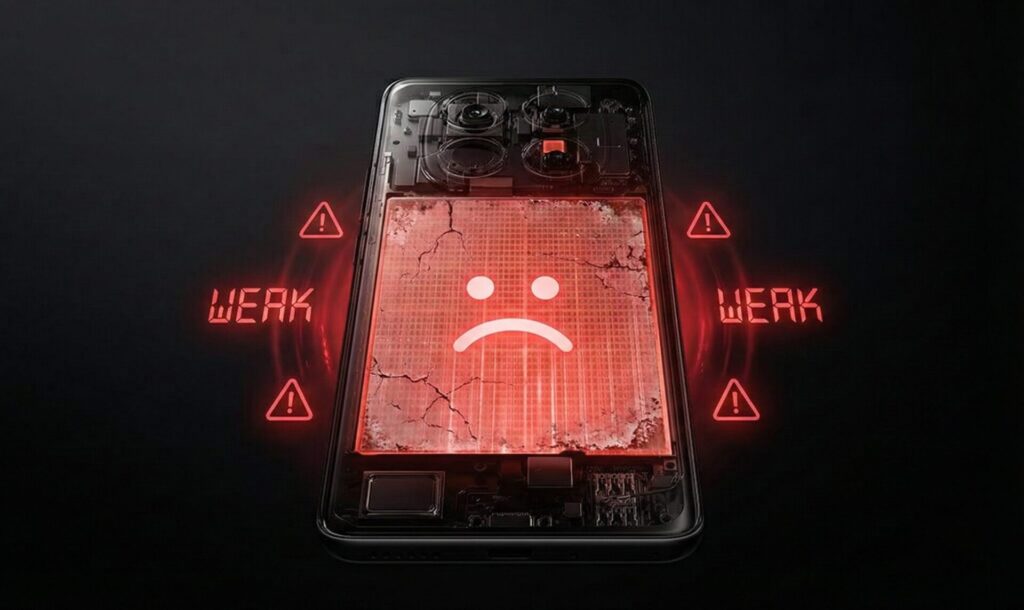
Battery health has become a critical issue for active Xiaomi users in modern times, given the trend towards slim designs and extremely fast charging speeds, among other factors. This also extends to the broader ecosystem of Xiaomi, Redmi, and POCO devices; poor battery health results from inadequate heat dissipation, poor charging performance, and the chemical aging of the cells over a long period. This helps users understand how they can protect battery health while enjoying features like HyperOS, HyperCharge, and high refresh rate displays.
Why temperature is the fastest battery killer on a Xiaomi phone
The most damaging factor for the lithium-ion batteries used in Xiaomi smartphones is undoubtedly heat. High temperatures chemically accelerate unwanted reactions within the battery cell, thus reducing its capacity. The ideal operating range for smartphone batteries is between 10°C and 35°C. Spending too much time above this range seriously reduces battery lifespan.
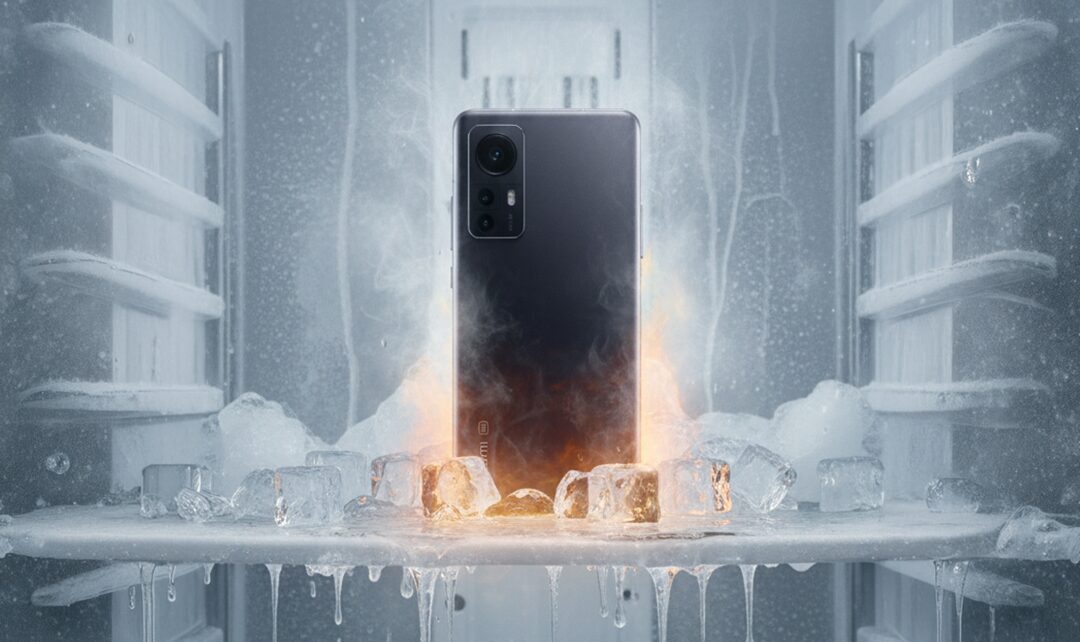
One common source of heat is intensive use while charging. Using resource-intensive games or apps while charging creates a «double-charging» scenario. The phone is simultaneously charging and discharging, heating up internally and causing the battery to repeatedly undergo micro-charge cycles. Over time, this type of behavior depletes a battery’s limited lifespan considerably faster than normal daily use.
Another often overlooked source of heat is high screen brightness. Using your phone outdoors at maximum brightness, especially on OLED panels with high peak luminance, increases the device’s overall temperature. This heat is slowly transferred to the battery, causing long-term degradation even if it only feels warm to the touch.
Fast charging and HyperCharge: Convenience versus longevity
A major innovation from Xiaomi is its HyperCharge technology, available in 120W and even 210W versions, which reduces charging time to under 20 minutes. This system relies on advanced power management chips combined with dual-cell batteries and improved cooling materials. According to official data, Xiaomi reports that these batteries retain around 80% of their capacity after hundreds of charge cycles.
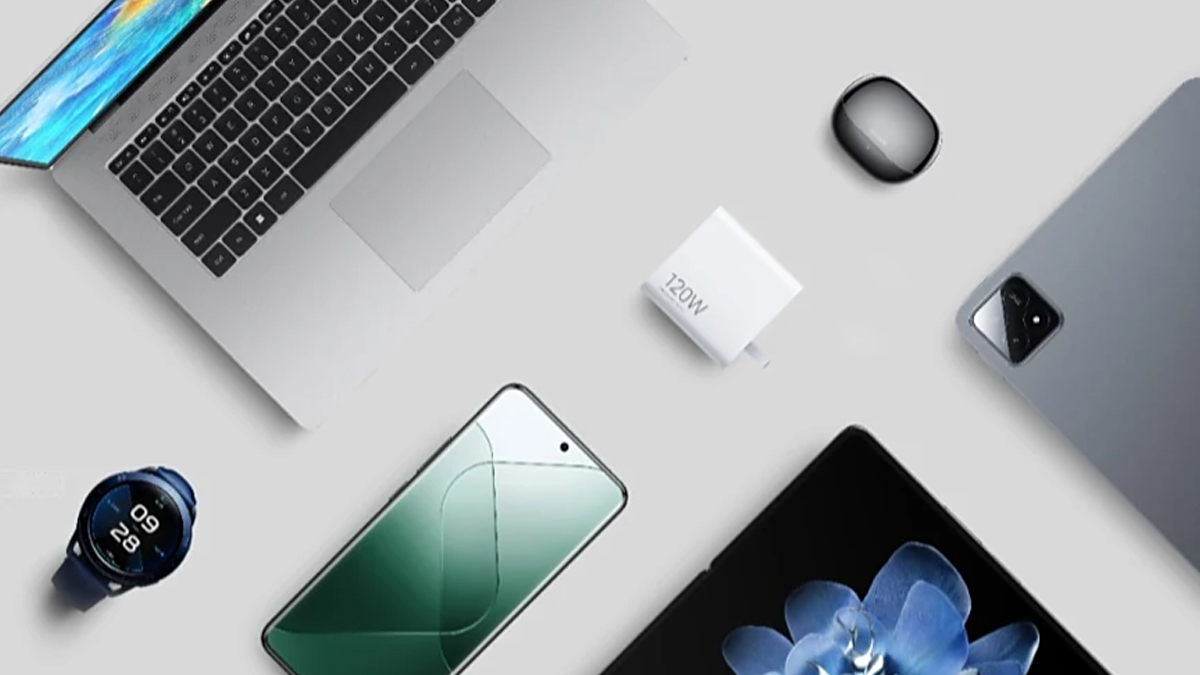
However, frequent use of ultra-fast charging still subjects battery cells to increased electrical and thermal stress. The most intense stress occurs during the first half of the charge, with the highest current and peak heat generation. Although HyperOS intelligently slows charging after around 80%, daily reliance on maximum charging speeds can slowly accelerate the battery’s aging process.
Many power users prefer a balanced approach. Overnight charging is done with slower chargers like 18W or 33W, while HyperCharge kicks in for urgent situations. This approach reduces overall heat exposure and can help extend battery life.
Silicon-Carbon Batteries: Greater capacity, new challenges
Xiaomi’s latest phones, including its newest flagship models, are switching to silicon-carbon battery technology. This design allows for higher energy density, accommodating larger batteries without increasing the device’s thickness. This is a definite advantage in terms of daily usage time; however, it does create new mechanical challenges.
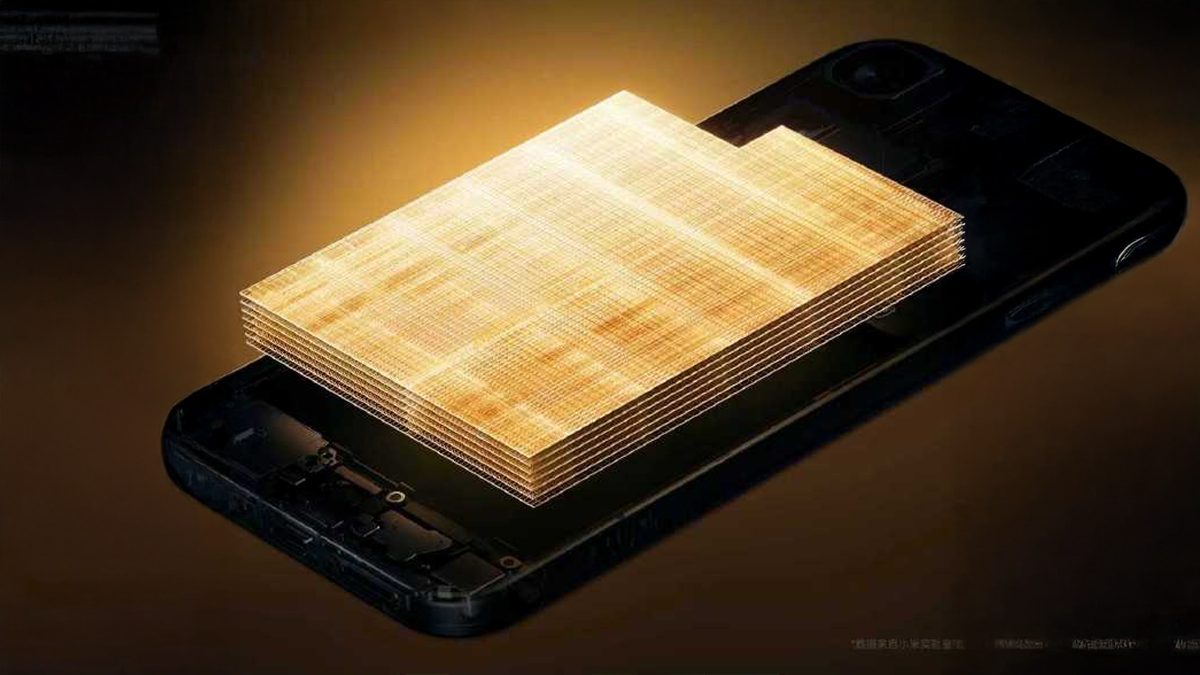
Silicon expands significantly when storing lithium ions. While conventional graphite anodes expand modestly, silicon can expand several times more. Xiaomi addresses this by embedding the silicon within a carbon structure, but some mechanical stress still accumulates with long-term use. This means that, even with careful use, these batteries could show a noticeable loss of capacity after two or three years.
This does not mean that the technology is unreliable, but rather that temperature control, consistent charging habits, and avoiding physical stress such as drops or extreme temperature changes are important.
Software factors: HyperOS and background power usage
Of course, battery life depends not only on the hardware but also on the software’s behavior. When moving from MIUI to HyperOS, Xiaomi implemented updated system-level power management algorithms. After major OS updates, it’s common for users to notice increased battery consumption; this is normal and generally a consequence of background optimization processes, such as app reindexing and system compilation.
These processes take a few days to stabilize. In later stages, the intelligent app suspension feature and adaptive performance profiles ensure that HyperOS features not only monitor performance but also increase long-term efficiency. AI-powered features may consume a lot of energy initially, but they are designed to optimize usage patterns over time.
Pre-installed system services are no exception. Services running in the background constantly synchronize data or provide recommendations. While typically lightweight, an excessive number of background activities increases overall power consumption. Using HyperOS, it’s easy to control permissions for background activity and terminate unnecessary actions without impacting system stability.
Screen, connectivity, and signal stress
Monitors with higher refresh rates, such as 120 Hz or even higher, display smoother images, but they force the GPU to work more often. This results in higher power consumption and increased heat during sustained use. Adaptive refresh rate settings mitigate this impact by reducing refresh rates for static content.
Connectivity is another factor. Forcing the modem to work harder when operating on 5G networks in areas with weak signal strength increases both energy consumption and heat; switching to 4G can significantly reduce battery consumption and temperature.
How Xiaomi protects battery health
Xiaomi has incorporated a series of features to minimize battery degradation. Battery protection modes prevent charging above 80%, thus reducing stress and extending battery life. Smart charging learns user behavior and completes charging close to wake-up time, minimizing the total charging time.
This bypass charging method is also compatible with some Xiaomi and POCO gaming devices. Essentially, power is directed to the motherboard during gameplay, completely bypassing the battery. This reduces heat buildup and conserves charging cycles.
These practices do not restrict daily use, but significantly minimize long-term chemical and thermal stresses on the battery.
According to technical analysis, excessive heat is the primary factor shortening battery life in Xiaomi phones. Charging under load, high ambient temperatures, and sustained high brightness are the biggest contributors to degradation. Frequent ultra-fast charging and deep discharge habits follow closely behind. Software-related battery drain is usually temporary and manageable through system optimization.
As Xiaomi continues to drive innovation with faster charging speeds and new battery materials, user awareness is becoming increasingly important. Balanced usage habits remain the most effective way to ensure stable battery performance for years to come.